What is virtual reality in architecture?
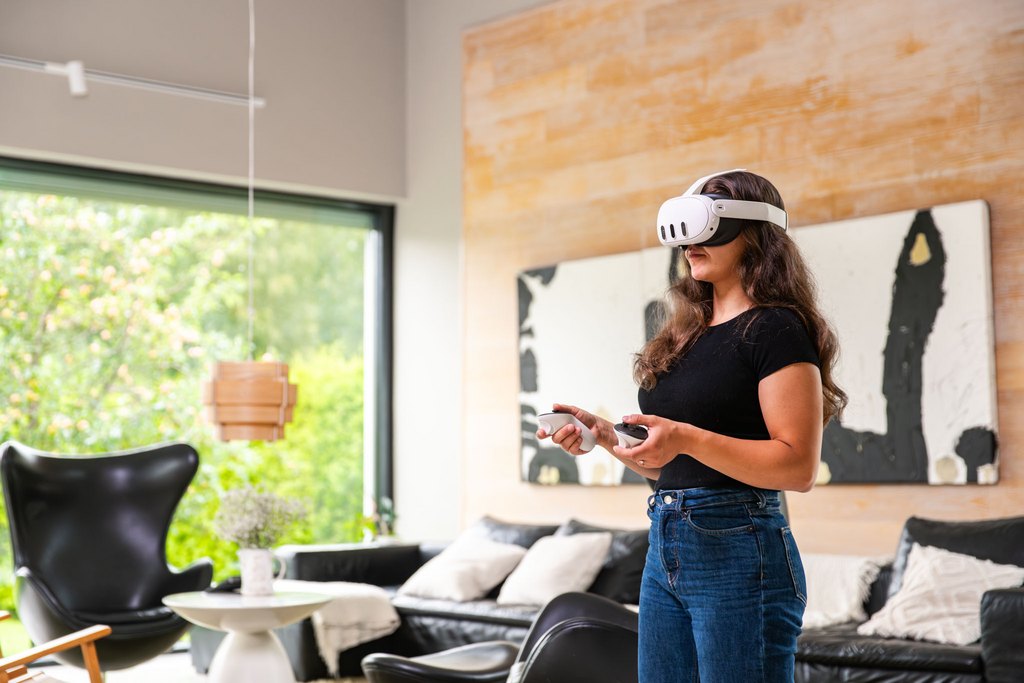
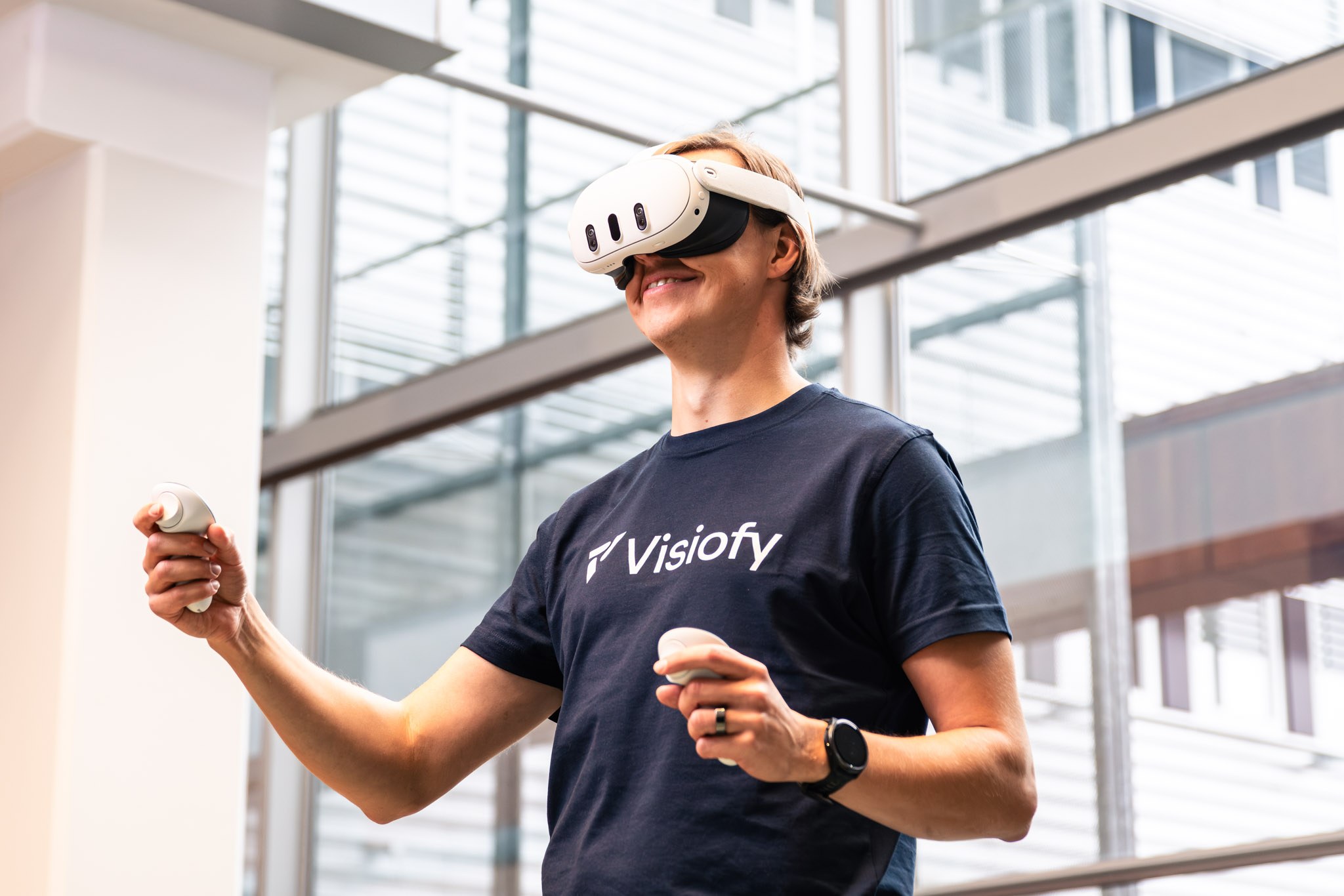
In short, virtual Reality (VR) in architecture creates immersive, interactive 3D environments, allowing clients, designers, and stakeholders to virtually walk through and experience a building before it's built.
This makes sense in our field: One of the greatest challenges in architecture is helping a non-professional client visualize a space from a flat plan. A 2D drawing requires a high level of mental translation, which often leads to misunderstandings regarding ceiling heights, room flow, or spatial volume.
This is what makes VR in architecture so powerful: we can show clients how their development or home will look like when it has been completed. They can see the quality of design, space planning, materials, furniture, light all internal and external fixtures and fittings, and more!
They will get the earliest possible indication of what will be produced for them – and how it will appear in the eyes of their friends and family.
It works like a crystal ball
Want to know the best part? The decisions your clients need to make before construction starts just becomes so much easier with Visiofy. Clients will be immersed in the property from the comfort of your office or their current home. It allows them greater input into the design at an early stage. They can check out all the finer details to transform the space into a tailor-made place suited to their tastes and needs: ”This is where we’ll put the baby’s crib once we move in. And this is where we’ll have that glass of wine or cup of tea once the kids are asleep."
Why virtual reality is a great investment for your project
While drawings, artists’ impressions, and floor plans are useful, they can only go so far in bringing a property under development to life. With VR, your clients can see how their project will look once it has been completed with virtual reality in architectural design. This is just as effective for individuals building or renovating their own home as it is for developers creating properties for the open market. It is the closest thing you and your clients will ever get to standing in the room yourself.
How virtual reality in architecture works
When using VR, your brain accepts the illusion that you’re standing inside your home although you may well be standing in an office wearing the headset. This transforms a client from someone that has to guess about certain aspects of the build or to check as it goes along to someone that has already been there and checked it out before the building work has even begun.
This makes it easy to collaborate on revisions early in the process—when changes are quicker, simpler, and far less costly than later on.
What are the benefits of VR in architecture?
What virtual reality in architecture does is enables you as an architect or property developer to give clients a precision view of what you’re working on for them.
The immersive experience allows you to work together to refine details and ensure everything meets the client’s expectations. Changes can be made easily in the virtual environment before being brought to life in the real world.
Most importantly, you move beyond broadly accurate photos and plans to a 100% accurate, build-ready representation.
Imagine stepping into the space and experiencing it from every angle: how each wall influences flow, how finishes elevate the sense of quality, and how every decision impacts the final outcome.
Architecture is changing. We want to lead that change by redefining how spaces are experienced. We believe in the power of space to improve how people live, and VR allows anyone to step directly into their future home—long before it’s built.
Related reads
How is VR used in architecture?
Visiofy as a free VR collaboration tool
VR architecture: The future of design and client communications
How to record your screen in VR
Frequently asked questions