
3D Virtual Home Tours
3d viewer
3d cad viewer

Virtual reality (VR) is no longer a futuristic concept — it’s a practical tool that’s reshaping how architecture is designed, reviewed, and presented. From early concept development to post-construction marketing, VR helps architects, clients, and stakeholders experience buildings in ways traditional drawings and renderings can’t match.
In this article, we’ll explore the different ways VR is used in architecture, the tools that make it possible, and why the technology is becoming essential in modern architectural workflows.
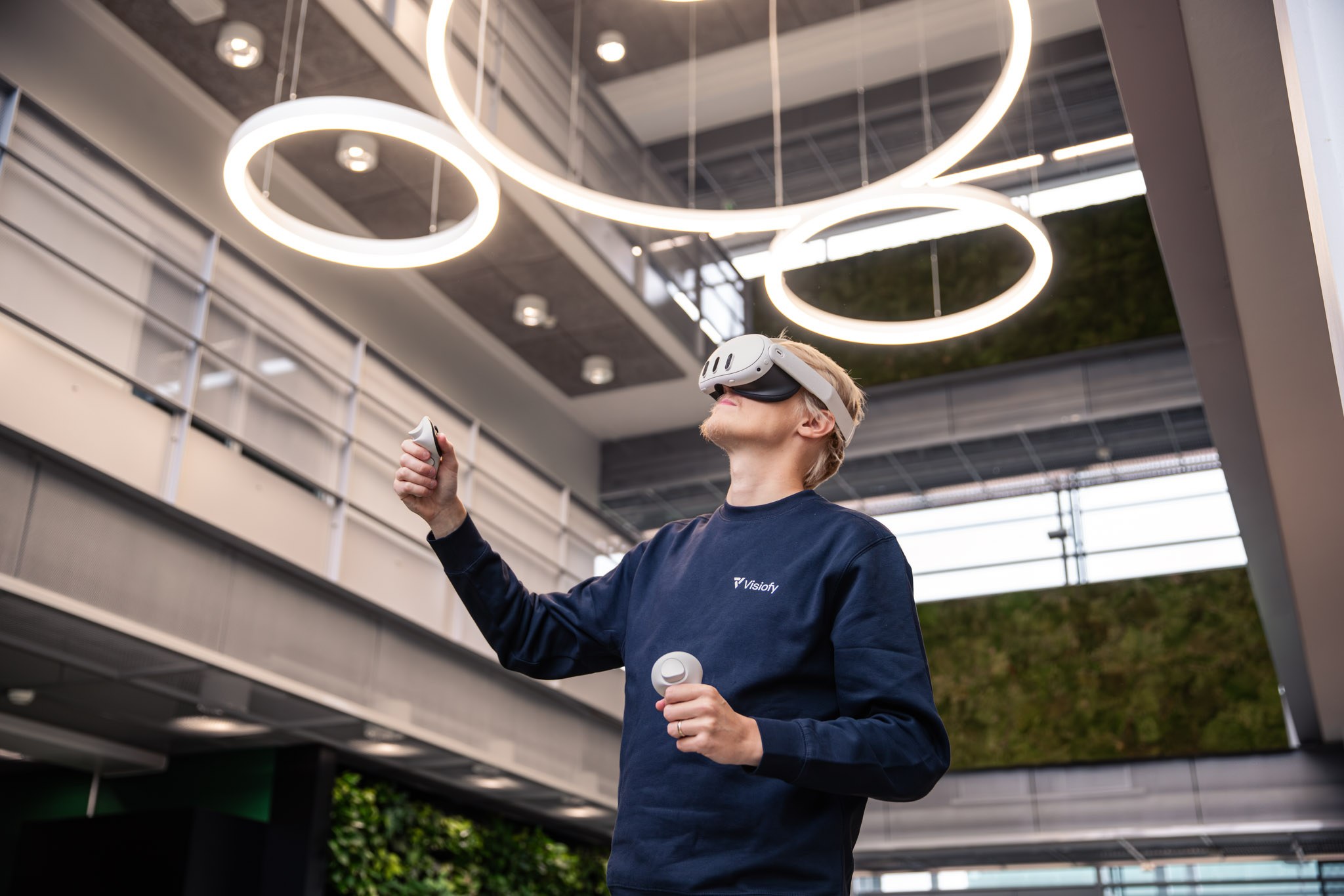
VR allows architects to step inside their design while it's still evolving. Instead of relying solely on 2D plans and screen-based 3D models, designers can:
Experience proportions and spatial flow at full scale
Identify awkward transitions or pinch points early
Make real-time changes with greater confidence
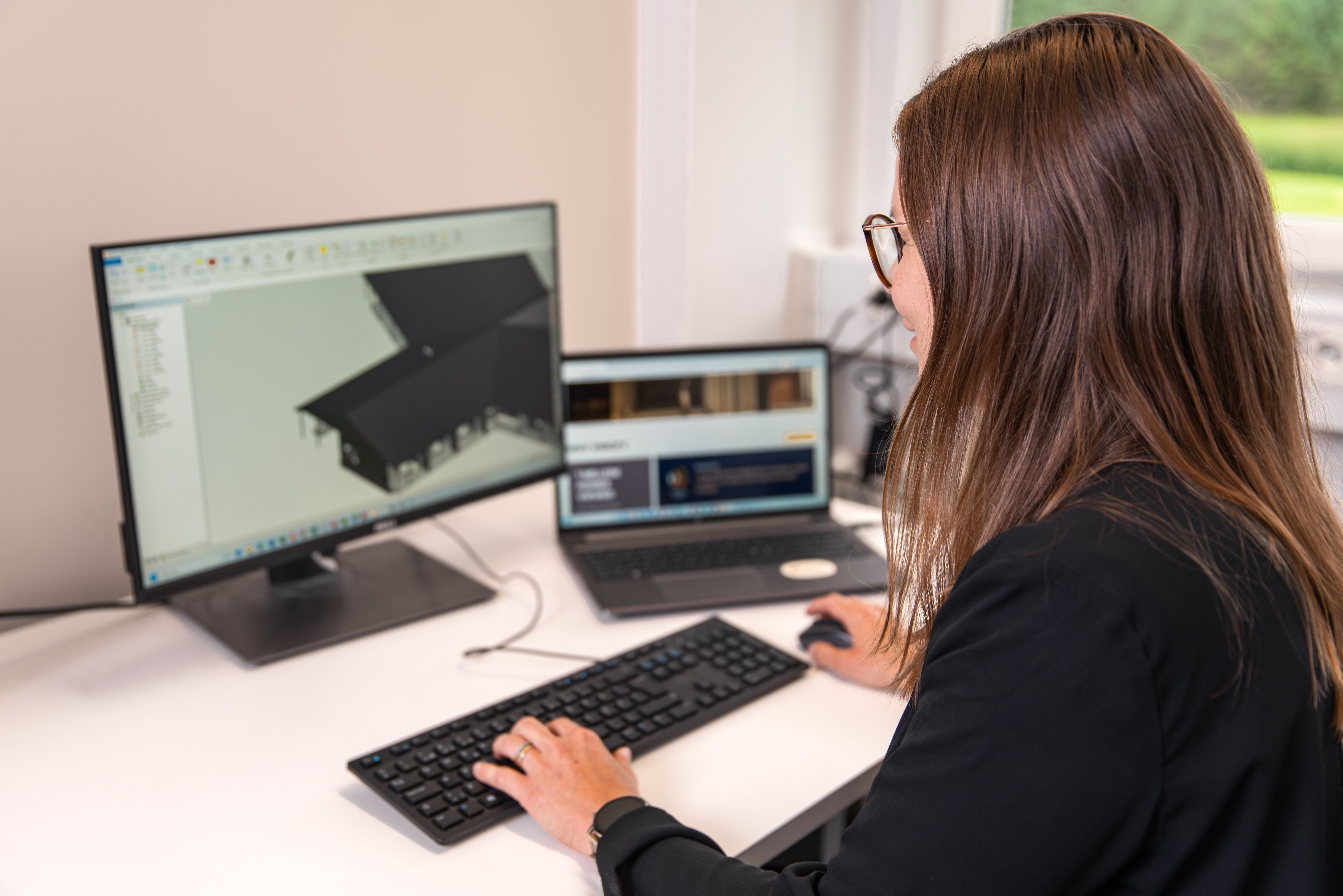
Platforms like Enscape, Twinmotion, and browser-based tools like Visiofy make it easy to view design changes instantly — no rendering queues required.

For many clients, interpreting drawings and 3D renders can be a challenge. VR bridges that gap by offering a natural, intuitive way to explore a design:
Walk through rooms, hallways, and outdoor areas
Understand furniture scale and layout
Build emotional connection with the future space
This immersive experience reduces uncertainty, builds trust, and helps accelerate approvals.
With browser-accessible VR platforms, architecture teams can now present and review projects without being in the same room. Especially useful in global projects or hybrid teams, VR enables:
Interactive virtual walkthroughs during design critiques
Real-time feedback without needing to export large files
Better alignment between architects, engineers, and consultants
Developers and real estate professionals increasingly use VR to pre-sell unbuilt properties. Instead of relying on artist impressions or show homes, they offer:
Interactive walkthroughs embedded on websites
VR stations at sales offices or trade shows
Mobile-accessible tours for buyers on the go
It’s especially impactful for off-plan sales, where buyers need to trust what they can’t yet see.

Architecture students and professionals alike are enhancing portfolios with immersive VR content. This goes beyond flat layouts to show how a design feels in space:
Use QR codes or embed links to interactive walkthroughs
Highlight spatial understanding and digital fluency
Differentiate from traditional portfolios with added interactivity
Some firms extend VR into the construction phase for logistical planning and stakeholder walkthroughs. This includes:
Verifying room usage and layout accuracy
Planning for accessibility and equipment installation
Onboarding building owners or users with virtual orientations
Though more common in commercial builds, this use is gaining traction in residential development too.
VR isn’t only useful before construction. Architects are starting to document completed work as immersive experiences that can:
Be used for awards or exhibitions
Serve as case studies for future projects
Act as digital archives of work for firms or clients
This long-term value is often overlooked — but growing in relevance.
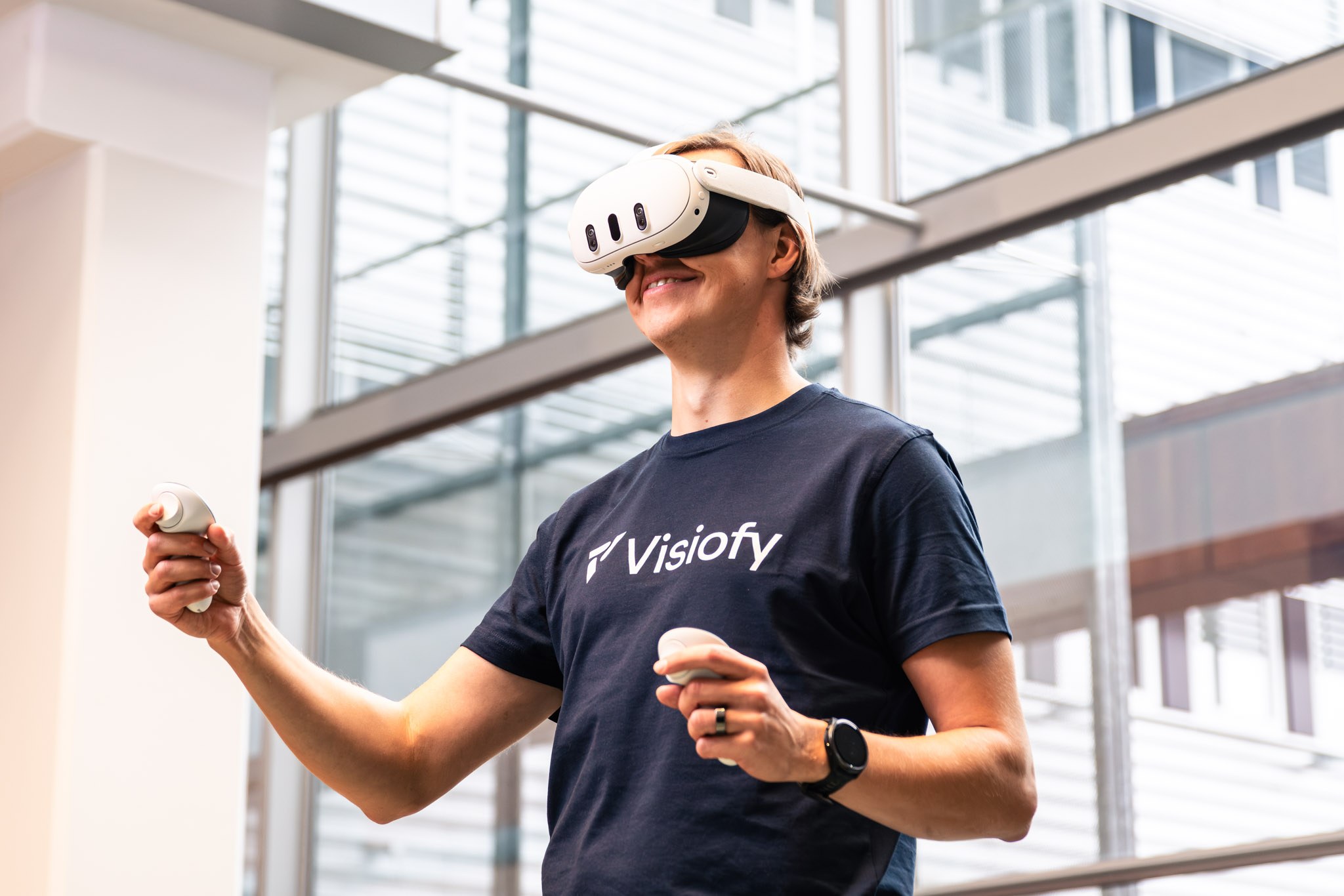
No — while headsets like Meta Quest offer full immersion, many VR architecture tools support viewing on desktops, tablets, and phones. However, then it's not technically VR
Tools like Visiofy allow users to share and explore walkthroughs with nothing more than a web link. However, for architectural presentations or events, headsets are only way to achieve a powerful, memorable experience.
From early design to final presentation, VR is transforming architecture into a more interactive, collaborative, and emotionally engaging process. Whether you're running a design review, selling a home, or submitting to a jury, virtual walkthroughs offer unmatched clarity and impact.
And best of all, it's more accessible than ever — no coding, rendering farms, or expensive setups needed.
READY TO EXPLORE VR FOR YOUR PRACTICE?
🔗 Try Visiofy Free | 🔗 Book a Demo