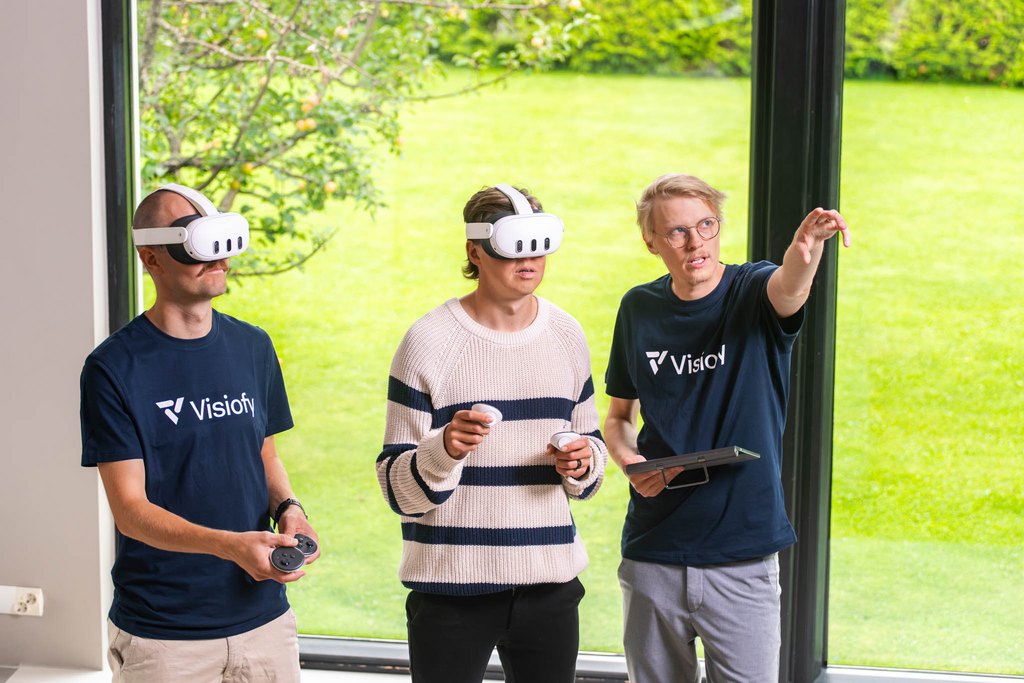

How is virtual reality used in construction?
Overview
Virtual reality (VR) in construction enables professionals to experience fully immersive digital environments created from 3D building models. VR is commonly used for design visualization, pre-construction walkthroughs, safety training, equipment training, and collaborative project planning. As part of extended reality (XR), VR helps construction teams reduce errors, improve communication, and make better decisions earlier in the project lifecycle, leading to improved efficiency and safer job sites.
Introduction
What Is Virtual Reality (VR)?
How VR Is Used in Construction
Key Benefits of VR for Construction Projects
Limitations of VR in Construction
Virtual reality (VR) allows construction professionals to step inside a building before it exists in the real world. By immersing users in realistic, walkable digital environments, VR improves understanding of spatial design, construction sequencing, and site conditions. As adoption grows, VR is becoming an essential tool for improving collaboration, safety, and decision-making across the construction lifecycle.
This article is based on insights from Autodesk’s construction blog:
https://www.autodesk.com/blogs/construction/extended-reality-construction-ar-vr-mr/
Introduction
The construction industry is increasingly embracing digital technologies to improve accuracy, efficiency, and safety. One of the most impactful technologies is virtual reality (VR). By allowing teams to experience projects in fully immersive digital environments, VR is changing how buildings are designed, planned, and delivered.
What Is Virtual Reality (VR)?
Virtual reality (VR) is a technology that places users inside a completely digital environment. Using headsets or immersive displays, users can explore and interact with a 3D model at full scale. Unlike traditional drawings or screen-based models, VR provides a realistic sense of space, scale, and movement — making complex designs easier to understand.
How VR Is Used in Construction
Design Visualization and Pre-Construction Walkthroughs
VR is widely used to visualize building designs before construction begins. Teams can walk through layouts, evaluate materials, and assess spatial relationships early in the process. This helps identify design issues sooner and reduces the need for costly changes later.
Project Planning and Collaboration
VR improves collaboration by allowing multiple stakeholders to explore the same virtual environment together. Designers, contractors, and clients can discuss design decisions in context, reducing misunderstandings and improving alignment across teams.
Safety Training and Risk Awareness
Construction sites involve significant risks. VR enables workers to train in simulated hazardous scenarios without real-world danger. This immersive approach improves hazard recognition and helps reinforce safe behavior on site.
Equipment and Skills Training
VR is also used to train workers on tools, machinery, and construction tasks. Practicing in a virtual environment allows workers to build confidence and skills without the risk of injury or equipment damage.
Progress Review and Quality Control
VR can support project reviews by visualizing planned construction alongside actual progress data. This helps teams identify deviations earlier and maintain higher quality standards throughout the project.
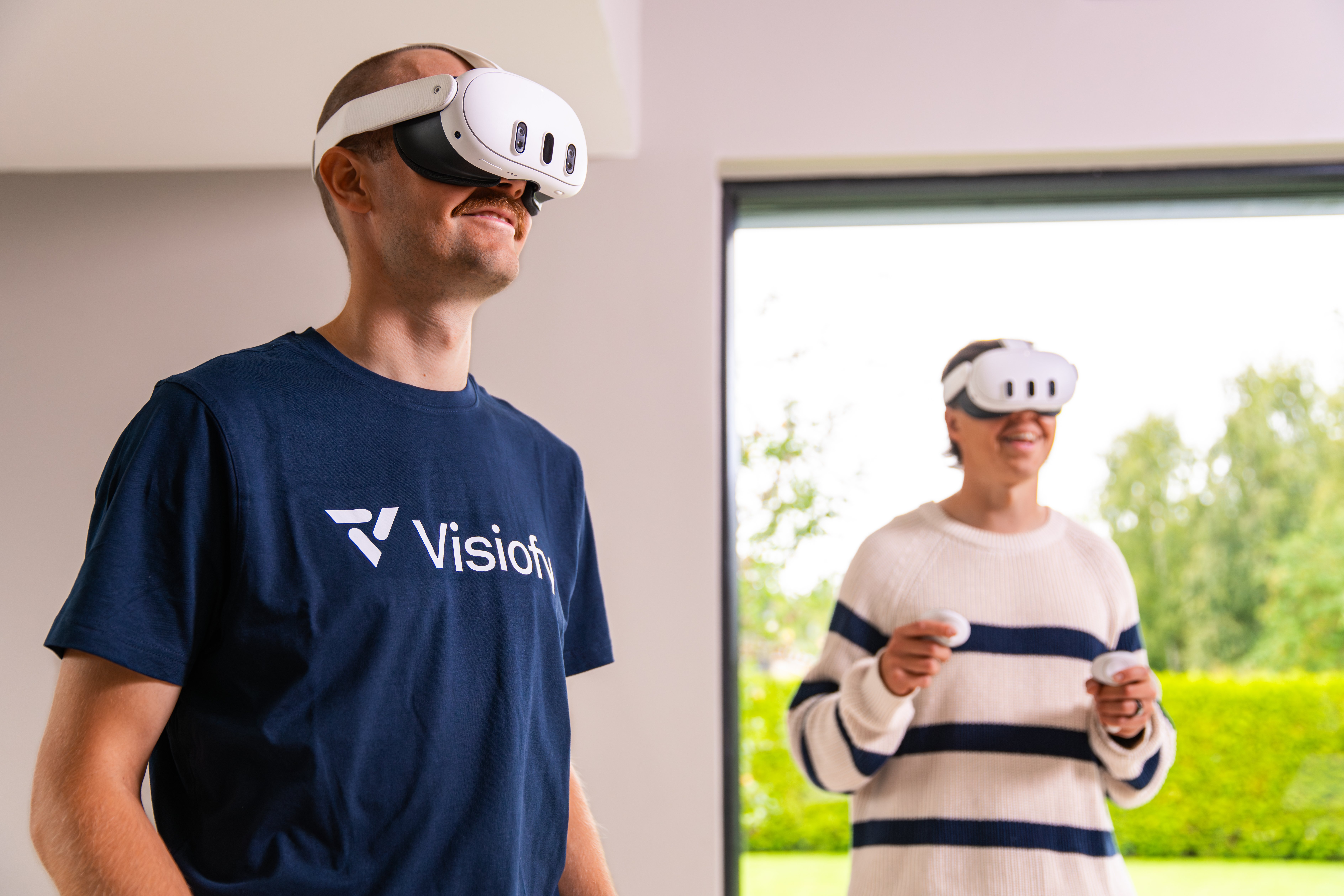
Key Benefits of VR for Construction Projects
Construction companies adopt VR because it helps them:
-
Detect design issues early
-
Improve communication and collaboration
-
Enhance safety training outcomes
-
Reduce rework and errors
-
Support better decision-making before construction begins
These benefits lead to improved project timelines, lower costs, and safer work environments.
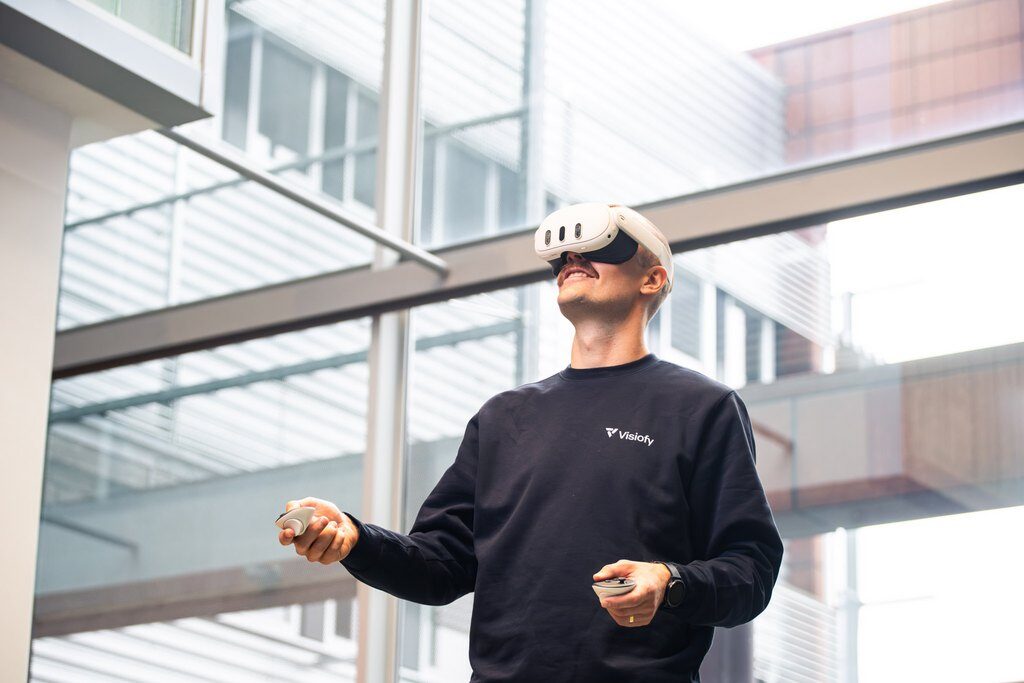
Limitations of VR in Construction
Despite its advantages, VR adoption still faces challenges such as hardware costs, training requirements, and integration with existing workflows. However, as technology evolves and becomes more accessible, these barriers continue to decrease.
The Future of VR in Construction
VR is expected to play a growing role throughout the construction lifecycle. Beyond design and planning, VR will increasingly support operations, maintenance, and client communication. As part of broader extended reality (XR) strategies, VR will continue to bridge the gap between digital models and real-world construction.

Related reads
How is VR used in architecture?
Frequently asked questions
What is VR used for in construction?
Unlike augmented reality (AR), which adds digital elements to the real world, virtual reality (VR) transports users into a fully virtual space. This allows construction professionals to walk through designs immersively, compare material choices, and simulate construction processes before building begins.
What Is Virtual Reality (VR)?
Virtual reality (VR) is a technology that places users inside a completely digital environment. Using headsets or immersive displays, users can explore and interact with a 3D model at full scale. Unlike traditional drawings or screen-based models, VR provides a realistic sense of space, scale, and movement — making complex designs easier to understand.
How is VR used in engineering?
As with augmented reality, engineers can use virtual reality to get up close and personal with their designs. Rather than spinning a 3D model in a CAD program, engineers can put on a VR headset and see the same model in a virtual world. They could walk around it to see it from different angles and in true-to-life size.
Is VR used in architecture?
What are the benefits of VR in construction?
Lorem ipsum dolor sit amet, consectetur adipiscing elit. Nullam tempor arcu non commodo elementum.
What are the benefits of VR for construction?
Construction companies adopt VR because it helps them:
-
Detect design issues early
-
Improve communication and collaboration
-
Enhance safety training outcomes
-
Reduce rework and errors
-
Support better decision-making before construction begins
These benefits lead to improved project timelines, lower costs, and safer work environments.