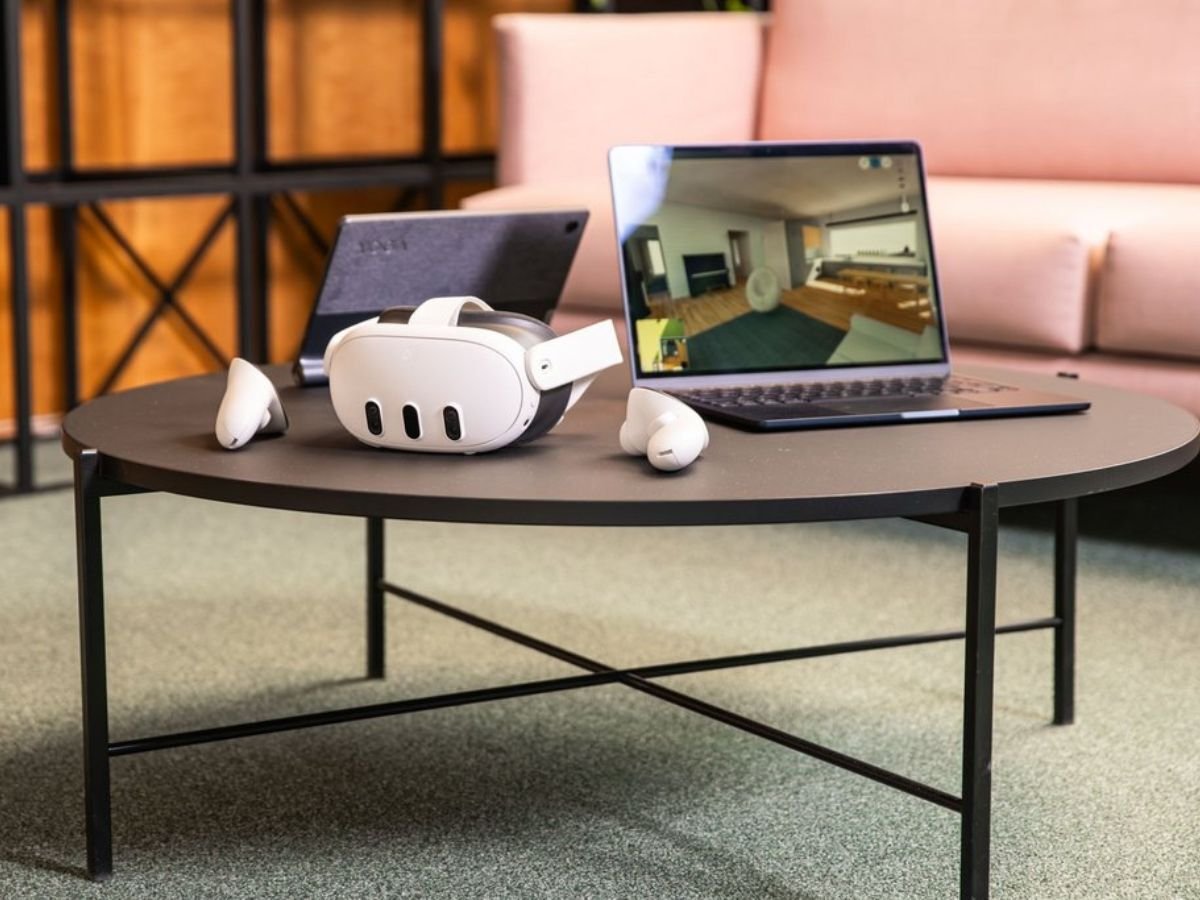

The Power of Virtual Showrooms for Property Sales and Home Design
As today's buyers expect convenience and immediacy, digital showrooms are redefining how companies present products and services—especially in industries like architecture, construction, and real estate. For Visiofy’s clients—such as home builders and modular housing companies—this innovation enables a highly visual and immersive way to connect with consumers, even before a single brick is laid.
Whether you’re showcasing house models, room layouts, material choices, or design packages, a digital showroom puts the entire experience online—making it easier to sell, personalize, and scale your offerings.
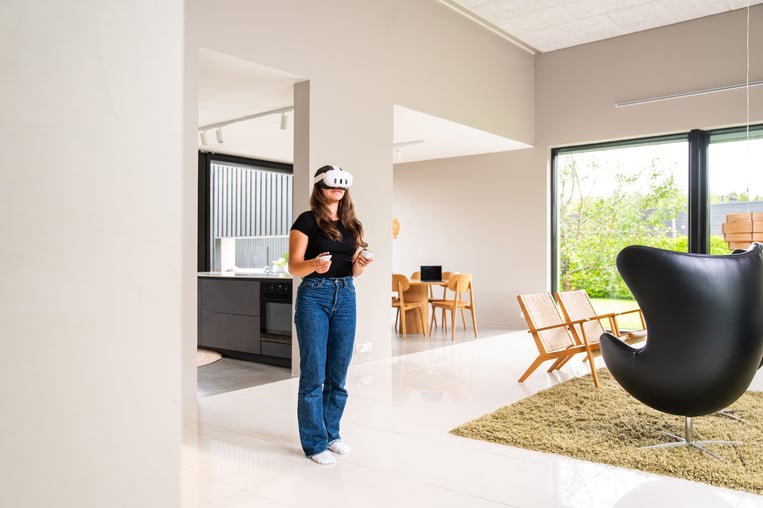
ℹ️ Credit: This article draws inspiration from Shopify’s original guide to digital and virtual showrooms, adapted for the homebuilding and construction industry.
What Is a Virtual Showroom?
A virtual showroom is a virtual space that allows you to present your product catalog—such as 3D house designs, floorplans, and interior options—in an interactive online environment. Instead of only relying on physical sample homes, renders, or in-person meetings, your clients can explore your offerings at their convenience through:
-
3D models and walk-throughs of home designs
-
Video tours and narrated presentations
-
Personalized configuration tools
-
Interactive product selectors (e.g., for materials or finishes)
-
Embedded lead capture or appointment scheduling
For B2B companies like prefab home manufacturers, modular construction firms, or building material suppliers, this means better alignment with buyers who now expect a seamless, digital-first buying process.
How Visiofy Clients Use Digital Showrooms
1. Accelerate Buyer Decision-Making
By replacing static PDFs and slideshows with immersive and interactive design experiences, builders empower end-customers to visualize and configure their future homes—shortening sales cycles and improving satisfaction.
2. Reduce the Need for Physical Vitsits and Samples
A virtual catalog of houses and the ablity to test material and color palettes means fewer samples, saved time, and lower logistics costs.
3. Enable Always-On Access
Your digital showroom is never “closed.” Whether the buyer is a busy family or a retail partner sourcing catalog options, your product offering is available 24/7.

Popular Digital Showroom Platforms (for Inspiration)
While tailored solutions like Visiofy can be optimized for homebuilding and architecture, here are some general platforms worth learning from:
-
JOOR: Used in fashion, it allows brands to show 3D imagery, videos, and host virtual appointments.
-
BrandLab360: Offers 3D retail spaces and integrated voice/video communication—imagine this as a model home walk-through, but virtual.
-
Dtail: Allows end-to-end use of 3D samples synced with product data—ideal for keeping specs and visuals aligned.
-
Stitch: Emphasizes brand storytelling—valuable if your homes come with a strong ethos or mission.
-
NuORDER: Built for collaboration with interactive boards and real-time ordering—think configurable packages for home options.
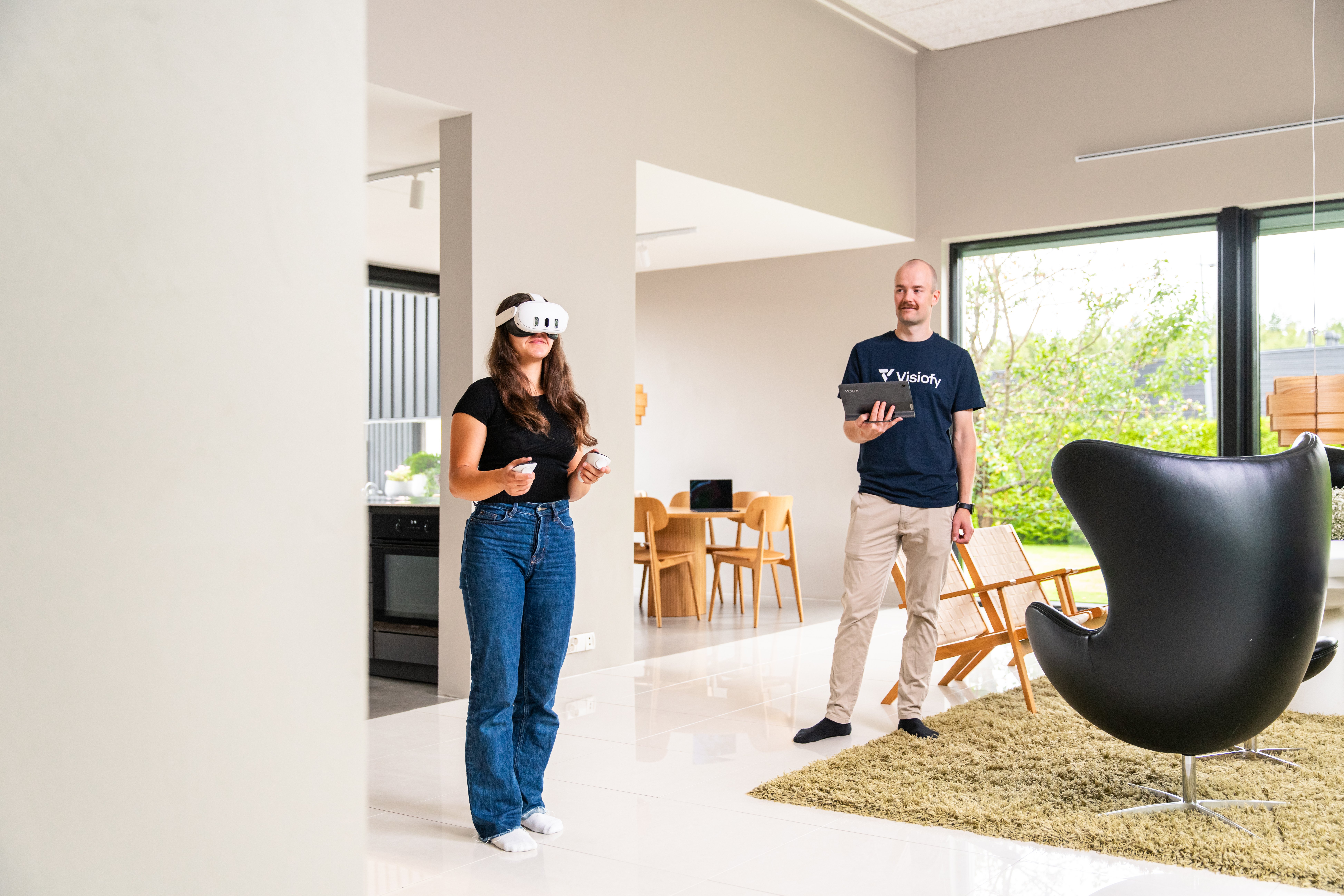
Why Go Virtual? Key Benefits for Property & Construction Businesses
Lower Costs & More Sustainability
No need to produce endless variations of printed brochures, sample kits, or show units. Digital samples save money and reduce waste.
Speed to Market
Have new designs or options ready? Upload them instantly to your showroom—no need to wait for printing, production, or shipping.
Simplified Buyer Experience
Buyers can view, compare, and make decisions faster—with interactive tools that reduce ambiguity.
Scalable Global Reach
No longer limited by geography, you can share your latest collections or house designs with partners anywhere in the world.
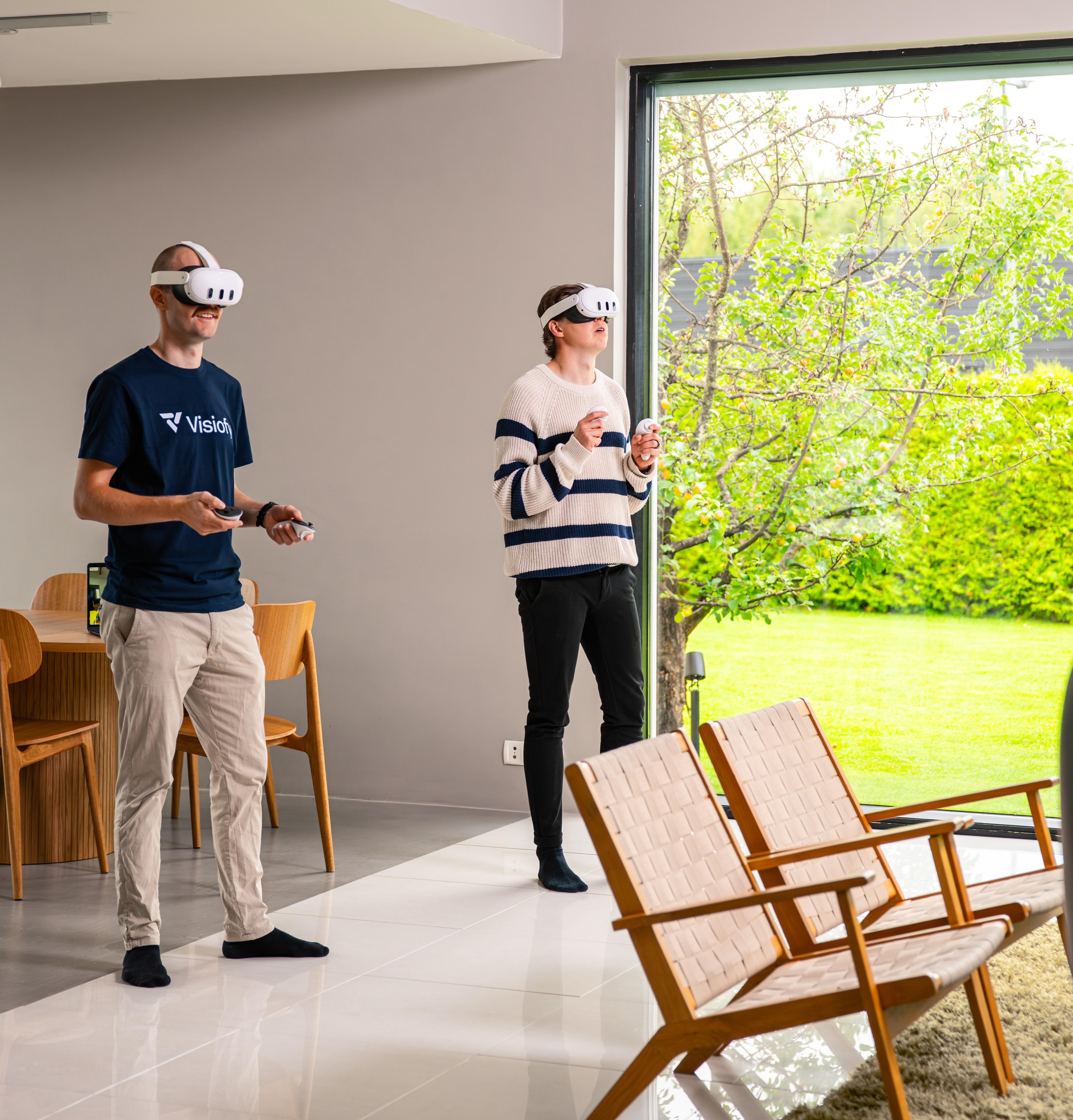
Digital Showroom Best Practices
To get the most from your showroom, consider these strategies:
-
Define Your KPIs: Are you trying to increase lead quality? Reduce sample costs? Close deals faster?
-
Prioritize Visual Content: Use high-quality 3D visuals, virtual tours, and well-structured product pages.
-
Offer Personalization: Allow clients to customize house models or finish packages and save their configurations.
-
Enable Collaboration: Integrate buyer notes, chat tools, and shared boards so stakeholders can align in real time.
-
Test & Iterate: Analyze which designs generate the most interest or which features are underperforming—then optimize.
Conclusion
A digital showroom isn’t just a trend—it’s a strategic shift in how B2B property and building companies engage their clients. With platforms like Visiofy, you can move beyond passive presentations and create interactive, buyer-centric experiences that drive sales and build stronger relationships.
Ready to take your showroom online? Let Visiofy help you turn architectural visuals into powerful sales tools.
Want the easiest start?
Frequently asked
What is a virtual showroom?
A virtual showroom is an interactive, branded space that lets people explore, configure, and purchase products displayed in 3D, augmented reality (AR), or virtual reality (VR)
How much does a virtual showroom cost?
The cost of a virtual showroom can vary significantly depending on how it’s built.
Traditional approaches—such as fully custom 3D environments or VR applications—can cost anywhere from €10,000 to €100,000+, especially when they require custom development, manual modeling, and ongoing maintenance.
However, newer solutions like Visiofy take a different approach.
Instead of building everything from scratch, Visiofy transforms existing architectural models into walkable virtual spaces directly in the browser. This removes the need for expensive custom development and dramatically lowers the cost and time required.
As a result:
- There’s no need to rebuild models specifically for the showroom
- You avoid large upfront development costs
- You can create and share virtual spaces in minutes instead of weeks or months
This makes virtual showrooms accessible not only to large enterprises, but also to small and mid-sized architecture and housebuilding companies.
In short, while traditional virtual showrooms can be a major investment, modern browser-based solutions like Visiofy offer a more scalable and cost-efficient alternative—without compromising on client experience.
Can I create my own virtual tour?
Yes—you can create your own virtual tour, and it’s becoming increasingly accessible thanks to modern tools.
Traditionally, creating a virtual tour required specialized software, technical expertise, or even external agencies to build and customize the experience. This often made the process time-consuming and expensive.
Today, solutions like Visiofy make it much simpler.
With Visiofy, you can turn your existing architectural model into a walkable virtual space directly in your browser—without coding, complex setup, or additional 3D work. If you’re already using tools like Archicad, SketchUp, Revit (via GLB export), or similar, you can upload your model and generate a virtual tour in minutes.
This means:
- You stay in control—no need to outsource
- You can create and update tours quickly
- You can easily share them with clients via a simple link
In short, creating your own virtual tour is no longer a technical challenge—it’s a fast, self-service process with the right tools.
Are virtual tours expensive to create?
Virtual tours can be expensive—but it depends on how they’re created.
Traditional virtual tours, especially custom-built 3D environments or VR experiences, often require significant time, technical expertise, and external support. These can cost thousands to tens of thousands of euros, particularly if models need to be rebuilt or optimized manually.
However, modern tools like Visiofy make virtual tours much more cost-efficient.
Instead of creating everything from scratch, Visiofy uses your existing architectural models to generate walkable virtual spaces in the browser. This eliminates the need for heavy production work and reduces both time and cost.
As a result:
- You avoid large upfront investments
- You don’t need specialized technical skills
- You can create tours quickly and scale as needed
In short, while virtual tours used to be expensive, today they can be a cost-effective and scalable solution—especially with browser-based platforms like Visiofy.
Who owns the digital showroom?
Ownership of a digital showroom depends on the platform or solution you use.
With traditional custom-built showrooms, ownership can sometimes be unclear—especially if external agencies or developers are involved. Access, updates, and control may depend on the provider.
With platforms like Visiofy, the approach is much more straightforward.
You retain full ownership of your original 3D models and content, and you control how your virtual spaces are used and shared. The showroom itself is generated from your data, meaning you’re not locked into a rigid, externally managed system.
This means:
- Your design data remains yours
- You can update or recreate spaces anytime
- You maintain control over how and where the showroom is shared
In short, you stay in control of your digital showroom—without relying on third parties to manage or modify it.