sketchup vr walkthrough
can sketchup be used for virtual reality?
sketchup vr tutorial

The AEC (Architecture, Engineering, and Construction) industry has always relied on drawings, renderings, and physical site visits. While these tools are essential, they share one limitation: they require interpretation.
Clients interpret floor plans.
Engineers interpret 3D models on screens.
Buyers interpret photorealistic images.
Interpretation creates risk.
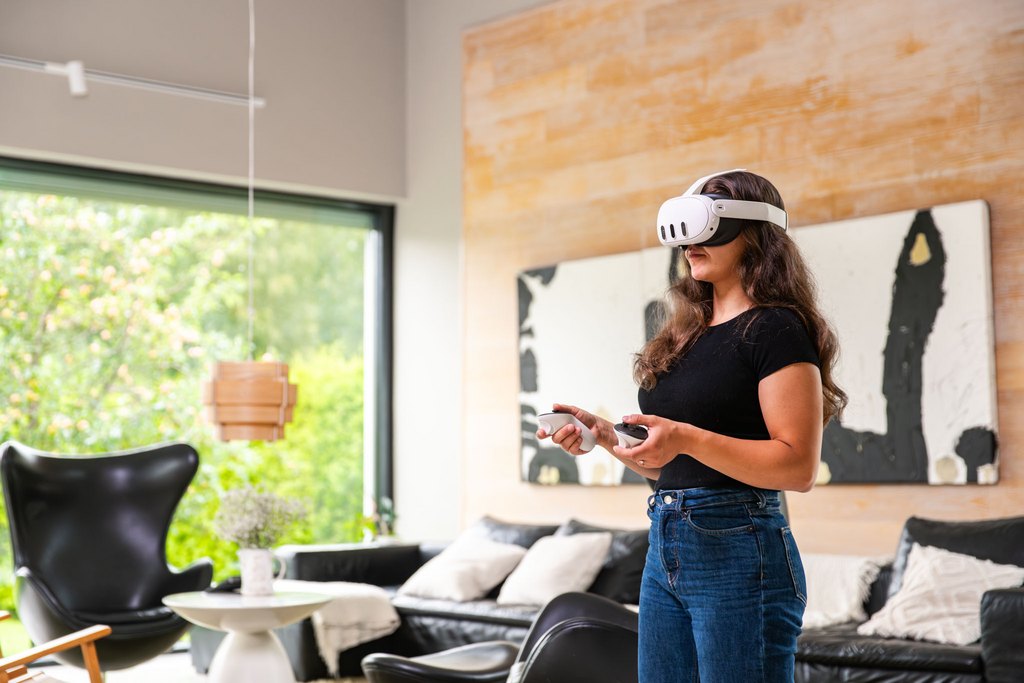
VR for AEC removes the guesswork by allowing stakeholders to step inside the project before it’s built. Instead of imagining scale, proportions, or spatial flow, they experience it.
Virtual Reality in AEC means transforming architectural or BIM models into immersive environments that users can explore at real scale.
Rather than looking at a 3D model on a monitor, users can:
Modern solutions allow firms to convert models from tools such as:
into browser-based, interactive virtual spaces.
This is where practical Virtual Reality AEC Applications begin.
Architects can review proportions, circulation, and room functionality in immersive scale. What looks good in plan view might feel cramped in reality. VR exposes these issues early.
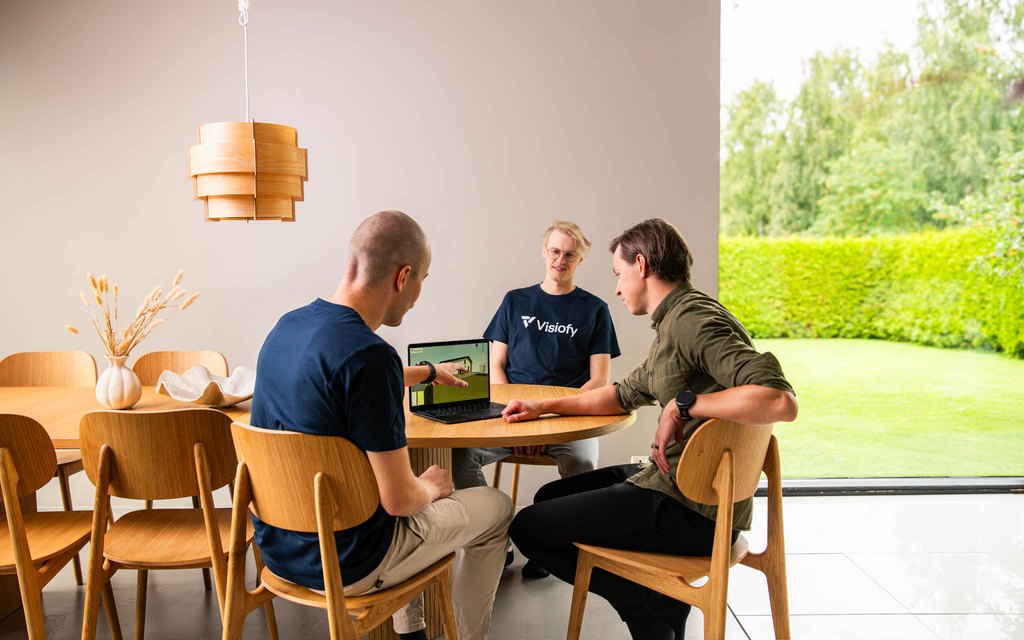
Instead of emailing PDFs back and forth, teams can meet inside the virtual model. Decisions become spatially informed rather than theoretical.
Buyers and investors often struggle to understand technical drawings. VR turns abstract plans into tangible experiences.
This reduces the imagination gap — the disconnect between what the designer intends and what the client expects.
Engineers and contractors can identify coordination issues, access constraints, and layout conflicts before breaking ground.
For residential developers and housebuilding companies, VR is a powerful sales tool. Instead of selling from brochures, they sell from experience.
Buyers don’t just see the home. They walk through it.
Many firms assume VR is expensive, complex, and hardware-heavy. That was true years ago. Not anymore.
Today, Free Collaborative VR for AEC Industry solutions allow companies to:
The key benefits to look for:
This accessibility lowers the threshold for adoption and allows even small AEC firms to experiment with immersive workflows.
For architects, VR is not about replacing visualizations. It’s about enhancing spatial understanding.
Renderings show ideal camera angles.
VR shows reality.
Architects benefit from:
When clients fully understand what they’re approving, revisions decrease.
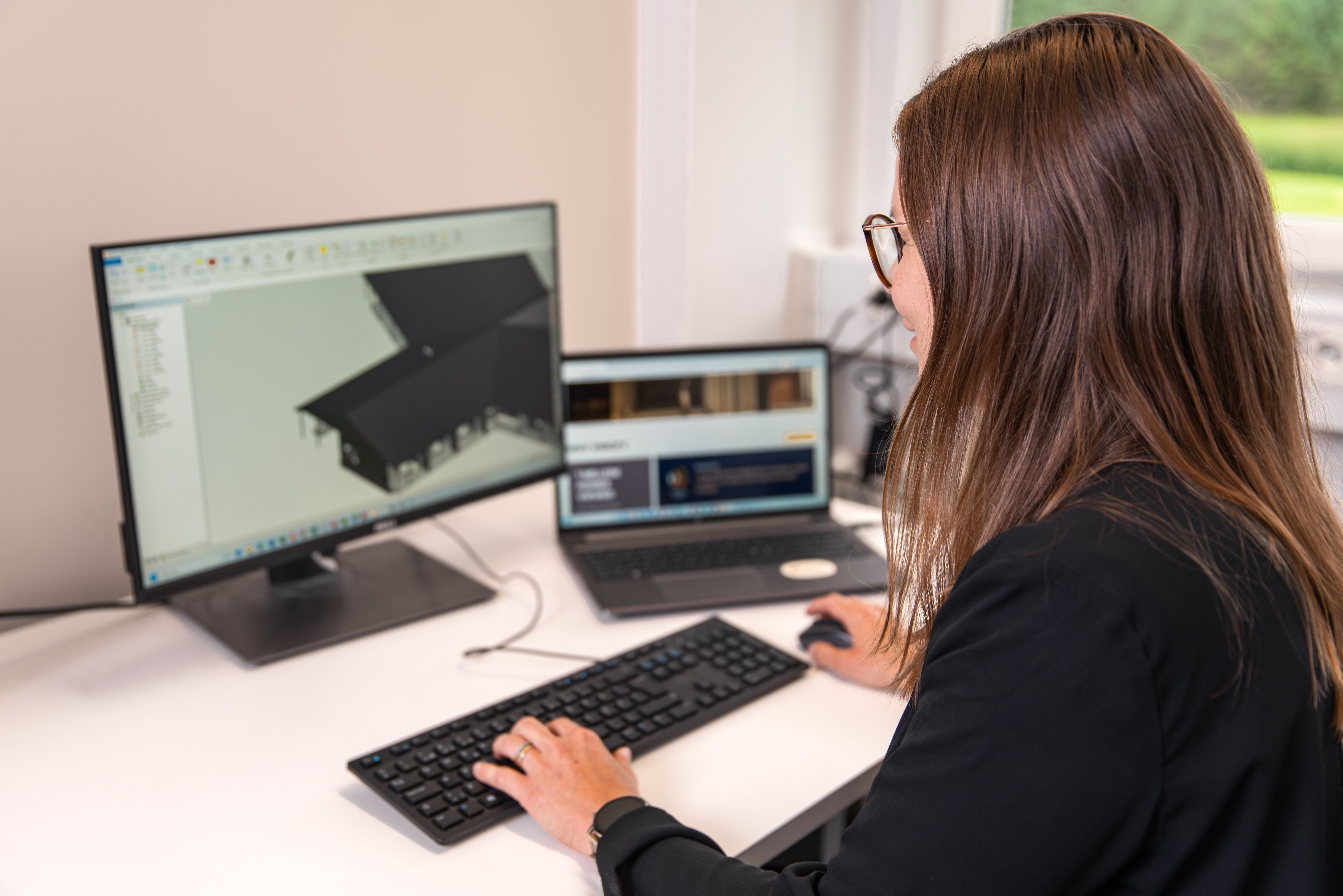
Engineering coordination often happens on 2D screens. However, spatial conflicts are three-dimensional problems.
In immersive environments, teams can:
Virtual Reality AEC Applications in engineering focus on clarity and coordination rather than aesthetics.
For contractors and residential developers, VR impacts the bottom line.
Common challenges include:
By offering immersive walkthroughs before construction, housebuilders:
In competitive markets across Europe and the US, immersive sales presentations can become a decisive advantage.
The future of AEC with VR is not about novelty. It’s about workflow integration.
We are moving toward:
As generative AI, BIM, and cloud-based collaboration tools evolve, immersive model exploration will become a natural extension of the design process.
VR will not replace drawings or BIM.
It will make them understandable to everyone.
Photorealistic renderings are powerful marketing tools. But they are still images.
They can:
Walkable virtual spaces offer something different:
For AEC professionals, this means fewer surprises during construction and fewer disappointed clients after handover.
VR for AEC is no longer experimental. It is practical, accessible, and increasingly necessary.
From design validation to sales acceleration, Virtual Reality AEC Applications are reshaping how projects are communicated and approved.
With Free Collaborative VR for AEC Industry tools lowering adoption barriers, immersive workflows are becoming realistic even for small and mid-sized firms.
And the future of AEC with VR?
It’s collaborative, immersive, and built on clarity instead of assumption.