visiofy download
do you need to install visiofy
visiofy install


A 360 tour is a guided visual experience made from panoramic images, rendered viewpoints, or captured real-world locations. Users can usually look around from fixed points and click between different spots.
Think of it as a pre-recorded route through a space. The viewer can explore some angles, but the experience is limited to the viewpoints that were created in advance.
360 tours are useful for:
Real estate listings
Hotel and rental property previews
Simple online presentations
Showing existing spaces
Marketing pages with fixed visual scenes
High visual quality
Easy for users to understand
Good for showing completed spaces
Works well for marketing and listings
Limited to fixed viewpoints
Does not allow free movement
Can feel static or passive
Less useful for explaining layout and scale
Often depends on pre-rendered or captured scenes
.jpg?width=1024&height=683&name=Visionfy350k-44%20(1).jpg)
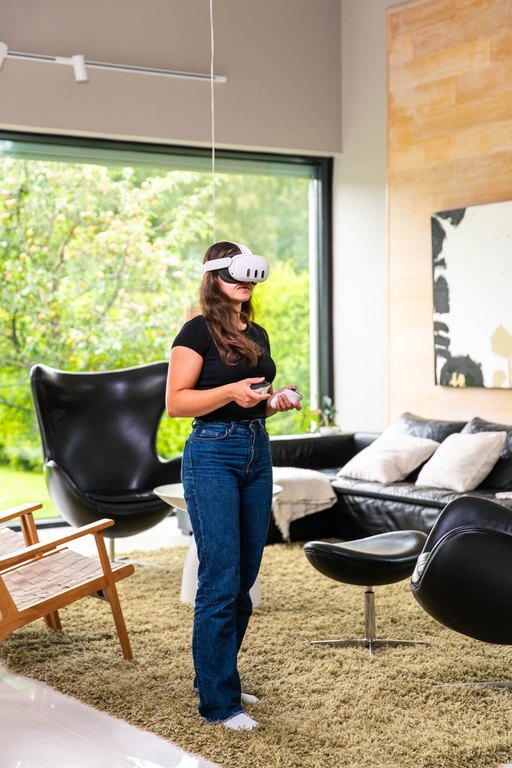
An interactive virtual walkthrough (or a walkable virtual space) lets someone explore your project interactively — walking through rooms, experiencing transitions, and seeing the design in human scale. It’s a real-time, immersive experience, either in a browser or VR headset.

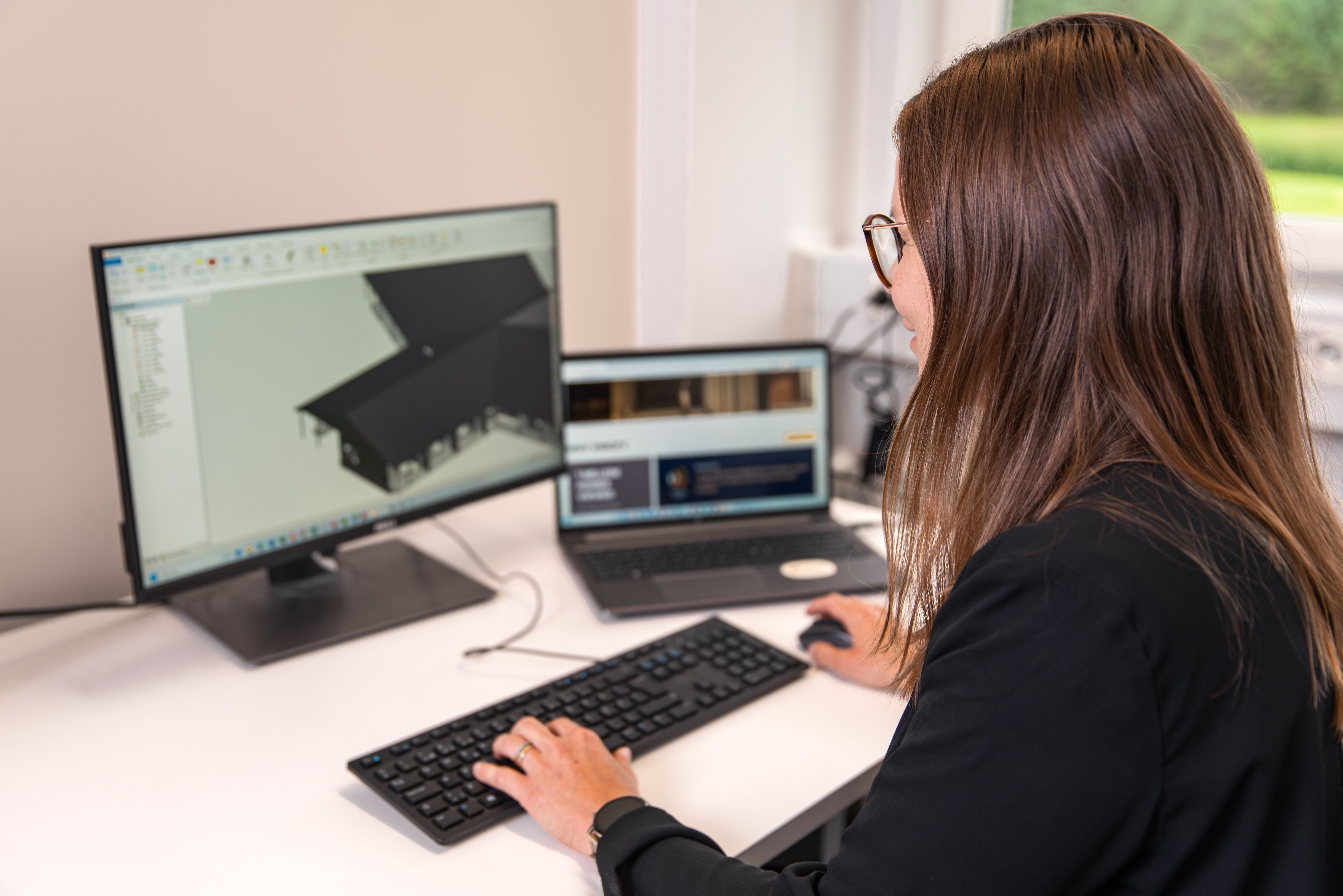
With tools like Visiofy, walkthroughs don’t require heavy software, long rendering times or game engines. You simply upload your model and share a link.
Off-plan client presentations
Job applications or design competitions
Online portfolios (via link or embed)
Helping people understand layout and scale intuitively
Full spatial experience
Communicates scale, circulation, and hierarchy
Highly engaging and memorable
Requires 3D model prep
Less stylized than high-end renders
Some clients may still prefer static visuals
| Use case | 360 tour | Virtual walkthrough |
|---|---|---|
| Looking around fixed viewpoints | Yes | Yes |
| Moving freely through the space | No | Yes |
| Understanding layout and flow | Limited | Strong |
| Showing an unbuilt home | Sometimes | Yes |
| Client decision-making | Useful | Very useful |
| Real estate listing previews | Yes | Sometimes |
| Home builder sales presentations | Sometimes | Yes |
| VR experience | Limited | Strong |
| Browser-based sharing | Yes | Yes |
| Feeling of presence | Moderate | High |
Use a 360 tour when you want to show a simple, polished preview from selected viewpoints. It works well when the space already exists or when the goal is mostly visual marketing.
Use a virtual walkthrough when the goal is understanding. If a client needs to understand the floor plan, room sizes, transitions, views, and overall feeling of the home, an interactive walkthrough is usually the stronger choice.
For home builders and architects, this is especially important because buyers often struggle to understand a home from floor plans, still images, or fixed camera angles alone.
Another important difference is how these experiences are created.
Most 360 tours are made from photographs taken inside an already built home, apartment, hotel, or commercial space. Multiple panoramic images are stitched together to create a navigable experience where users can look around and jump between fixed viewpoints. Because they rely on photography, 360 tours are typically used for completed locations that physically exist.
Interactive virtual walkthroughs work differently.
Interactive walkthroughs like Visiofy virtual spaces are created directly from 3D architectural models. This means the home has not been built yet. Architects, residential designers, and home builders can present future homes as walkable virtual spaces during the planning or sales phase, long before construction begins.
This makes virtual walkthroughs especially useful for off-plan home sales, client approvals, and early-stage design presentations where no physical building exists yet.